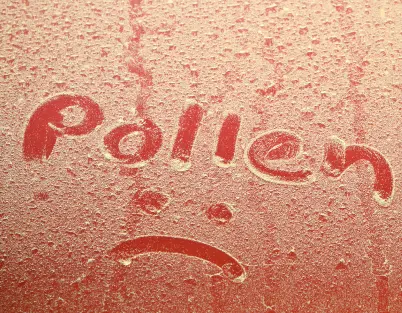

The leaves are falling. The heat is on. So why are you still sneezing?
Allergy season doesn’t always end with summer. Fall pollen and year-round indoor allergens can cause congestion, sneezing and itchy eyes well into the colder months. Here’s how to recognize common triggers, ease your symptoms and know when to get care.
What Causes Fall and Winter Allergies?
Ragweed and Fall Pollen
Ragweed is a leading cause of fall allergies. It releases pollen from late summer into fall, with the season’s timing depending on local weather. Windy days can make exposure harder to avoid.
Mold in Leaves and Damp Spaces
Damp leaves, compost and soil can harbor mold. Raking or other yardwork may stir up spores and trigger symptoms. Indoor mold can also cause problems in bathrooms, basements and other moisture-prone spaces.
Dust Mites and Pet Dander
Winter allergy symptoms often come from indoor triggers. More time inside can mean more exposure to dust mites in bedding and furniture, pet dander and mold. These allergens can cause symptoms year-round.
Is It Allergies, a Cold or the Flu?
A stuffy nose alone won’t tell you what’s wrong. These clues can help:
Allergies: Sneezing, itchy or watery eyes, and a runny or stuffy nose are common. Symptoms may continue with exposure. Allergies do not cause a fever.
A cold: Congestion, sneezing, sore throat and cough are common. Symptoms are usually milder than the flu.
The flu: Fever or chills, body aches, headache and significant fatigue are common, often alongside a cough. Symptoms tend to be more intense than a cold.
Symptoms can overlap. A provider can evaluate what’s going on and recommend testing when appropriate.
How to Find Relief from Seasonal and Indoor Allergies
Keep Outdoor Allergens Outside
Check local pollen counts and keep windows closed when levels are high. After yardwork or other outdoor activities, change clothes and shower to wash pollen from your skin and hair.
Make Your Home Easier on Your Allergies
Wash bedding weekly, use allergen-resistant pillow and mattress covers, and vacuum regularly. If pets trigger symptoms, keep them out of the bedroom. Fix leaks and keep indoor humidity around 30%–50% to help discourage mold growth.
Choose Treatment That Fits Your Symptoms
Antihistamines and corticosteroid nasal sprays may help. Ask a provider or pharmacist which options are appropriate, especially for children or if you take other medications. Check before using decongestants if you have high blood pressure or heart disease.
Saline rinses may also help. Use only distilled, sterile, or previously boiled and cooled water, and clean the device as directed.
When Should You See a Healthcare Provider?
Get checked if symptoms keep returning, disrupt sleep or don’t improve with over-the-counter care. A provider can review possible triggers and discuss whether allergy testing or a specialist referral would help.
Seek prompt care for new or worsening wheezing. Call 911 for severe trouble breathing or swelling of the tongue or throat. These are not routine seasonal allergy symptoms.
Breathe Easier with tru Primary & Urgent Care
Don’t let a season of sniffles become your new normal. At tru Primary & Urgent Care, we can evaluate your symptoms and help you find a treatment plan that works for you.
With seven convenient locations throughout Northern Virginia and Maryland, care is close to home. Schedule an appointment today or walk in to get started. tru Primary & Urgent Care. All Better.